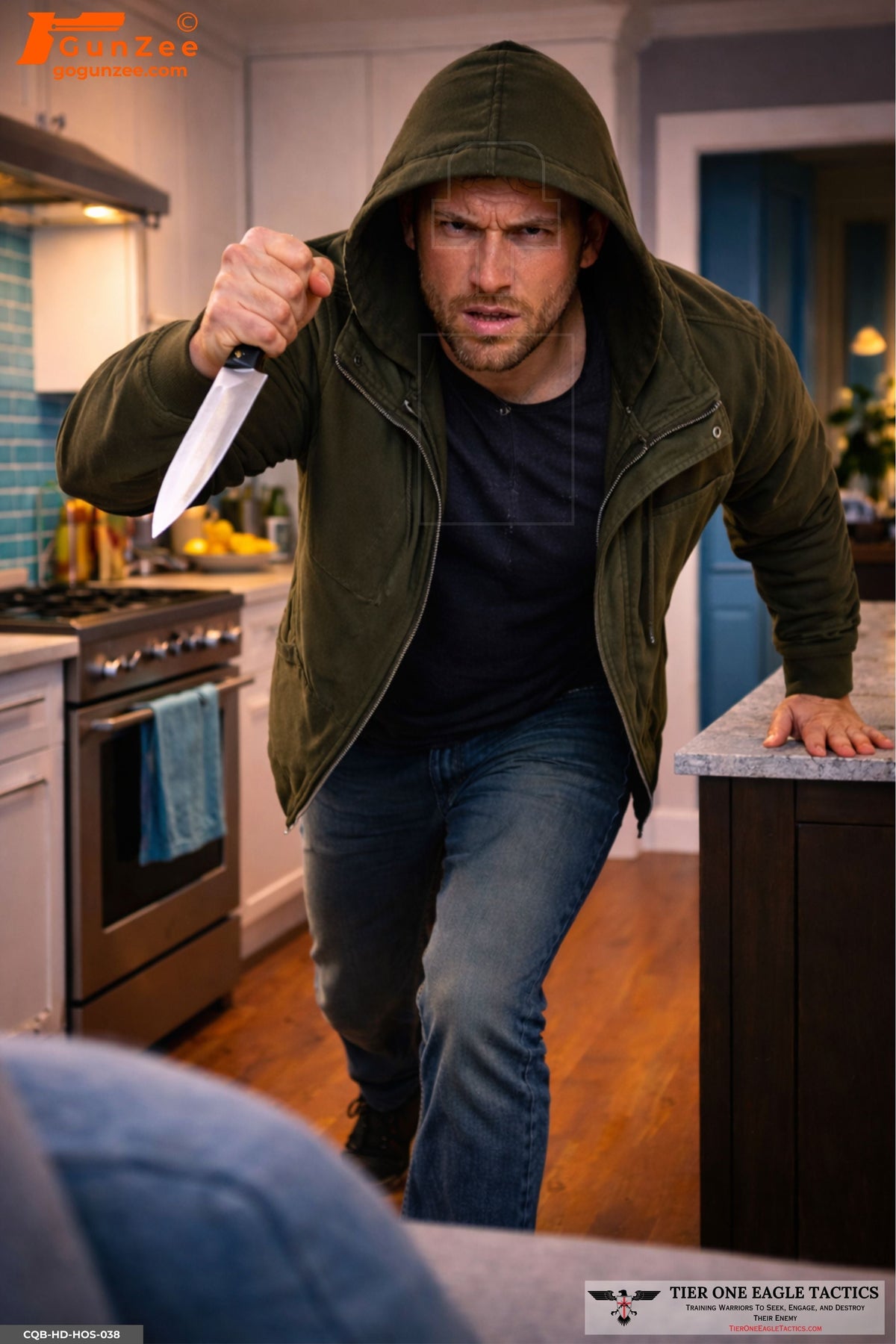


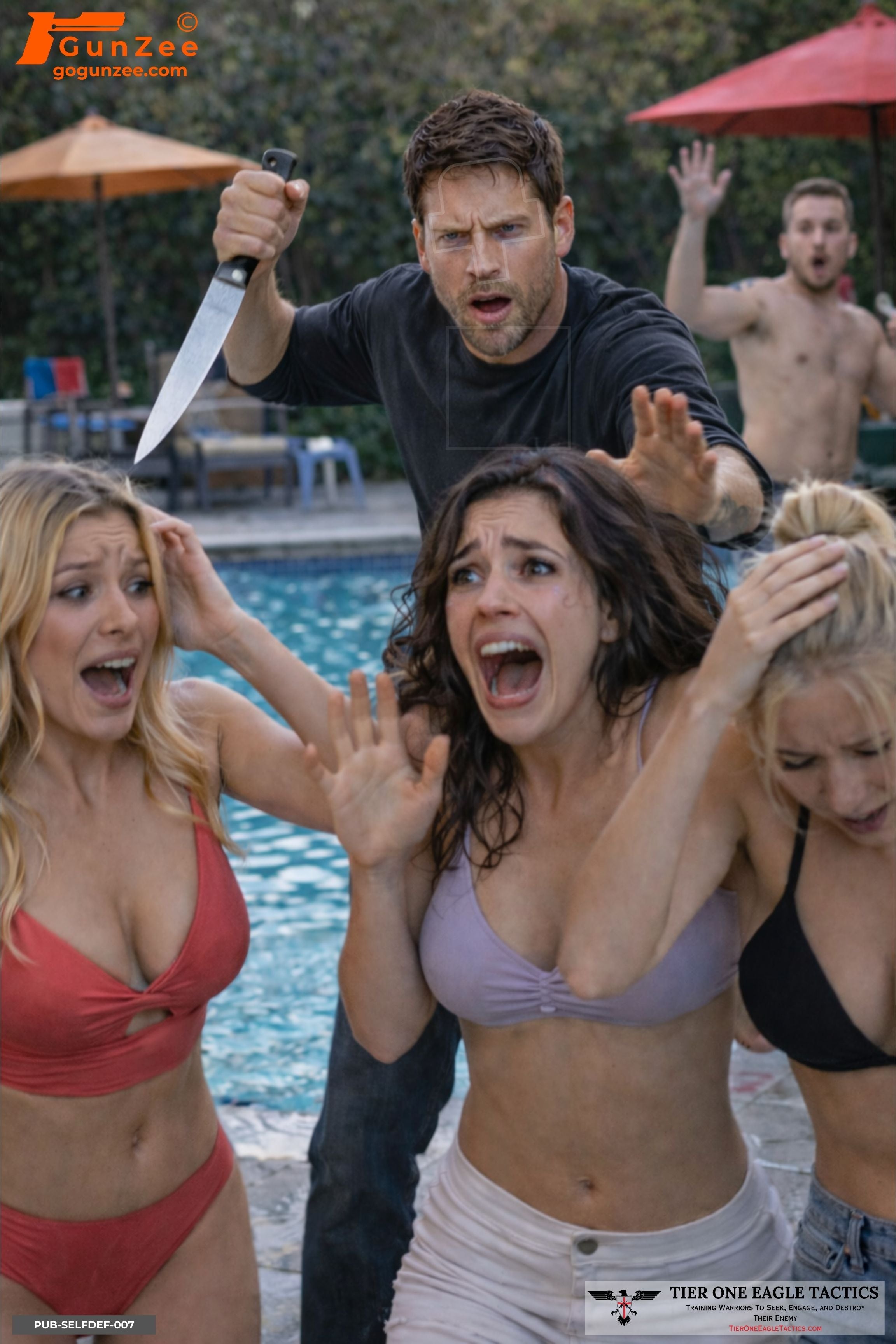
A plain silhouette has no hands to check and no face to read. As our silhouette article puts it, its presence on the stand is the instruction to fire. Real encounters never come with that instruction. They come with a person, and officers are taught from the academy on to check that person's hands first. The face comes after.
That is why buyers go looking for face targets: sheets where the person has real hands, a real face and a real expression, printed photo-realistic at 24" x 36". This article covers what the face adds once the hands are checked, and how to stock a library that uses it well.
Shop these targets
Photo-realistic 24″ × 36″ designs · sold in 5s per design · mix any designs · $45 order minimum
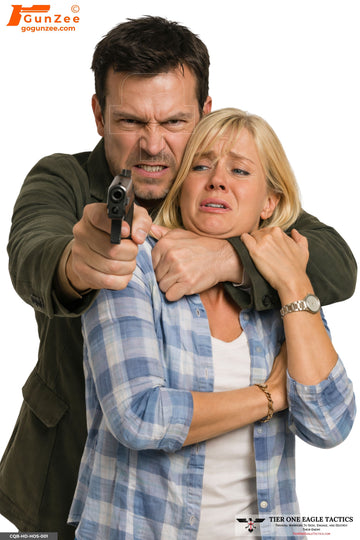
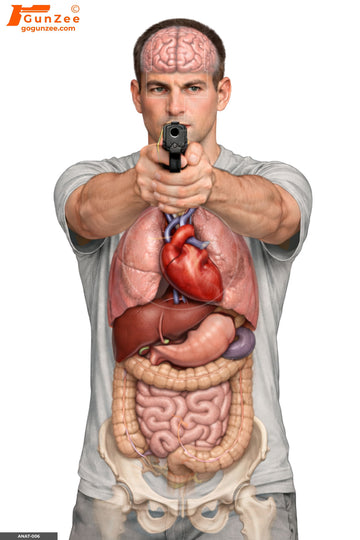
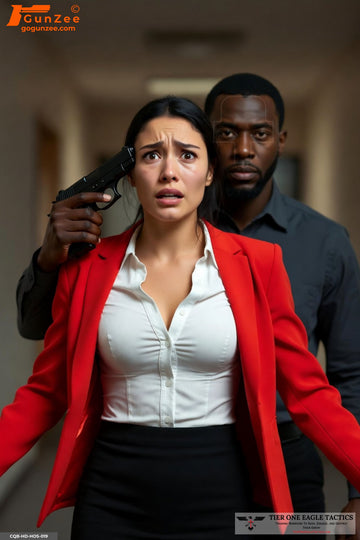
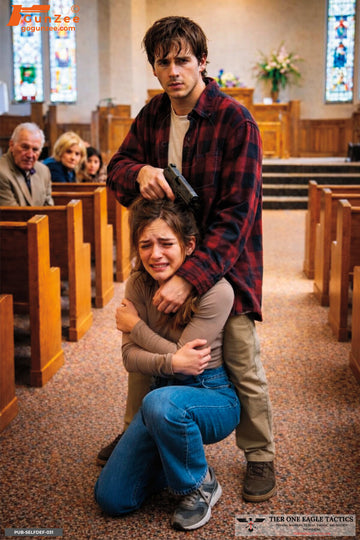

Hands first: what the training says
California's POST basic academy workbooks list "Always be aware of the suspect's hands" among the officer-safety basics and call awareness and control of the subject's hands "universal safety points". Police Magazine puts it plainly: from basic training to field training, officers are told to watch the suspect's hands.
The research points the same way. In a Force Science study, veteran tactical officers put 71% of their looks on the suspect's gun hand and arm in the final two seconds. When the suspect pulled a cell phone instead of a gun, rookies fired in more than 60% of trials, the veterans in about 18%.
What the face adds after the hands
The same academy series tells officers to "watch the subject's hands and nonverbal behaviors". Much of that behavior is on the face, which adds three things:
- Attention. Eyes on the shooter, on someone else, on the exit. Calibre Press lists the "target glance" and the "thousand-yard stare" among ten pre-attack signs.
- State. Calm, angry, frightened, in pain. The same list includes clenched teeth and a furrowed brow, with the caution that these signs are no guarantee of an attack. Other writers note that fear produces many of the same looks.
- Role in the scene. Which person is the hostage and which is the gunman. Whether an armed person is a police officer comes from the whole person, the badge above all, not the face.
Trainers differ on the exact order. One Calibre Press instructor teaches hands, waist, face, then head to toe. A Texas sergeant replied that he takes in the whole person before the hands, having seen officers in training react to a gun in the hand and only then realize they had shot another officer. Both put the hands ahead of the face. A flat outline offers neither.
The hands decide; the face never does
No expression justifies a shot. An angry face over empty hands is a no-shoot. A calm face over a handgun is still a person holding a handgun. Shooters who learn to fire on a face learn the wrong lesson.

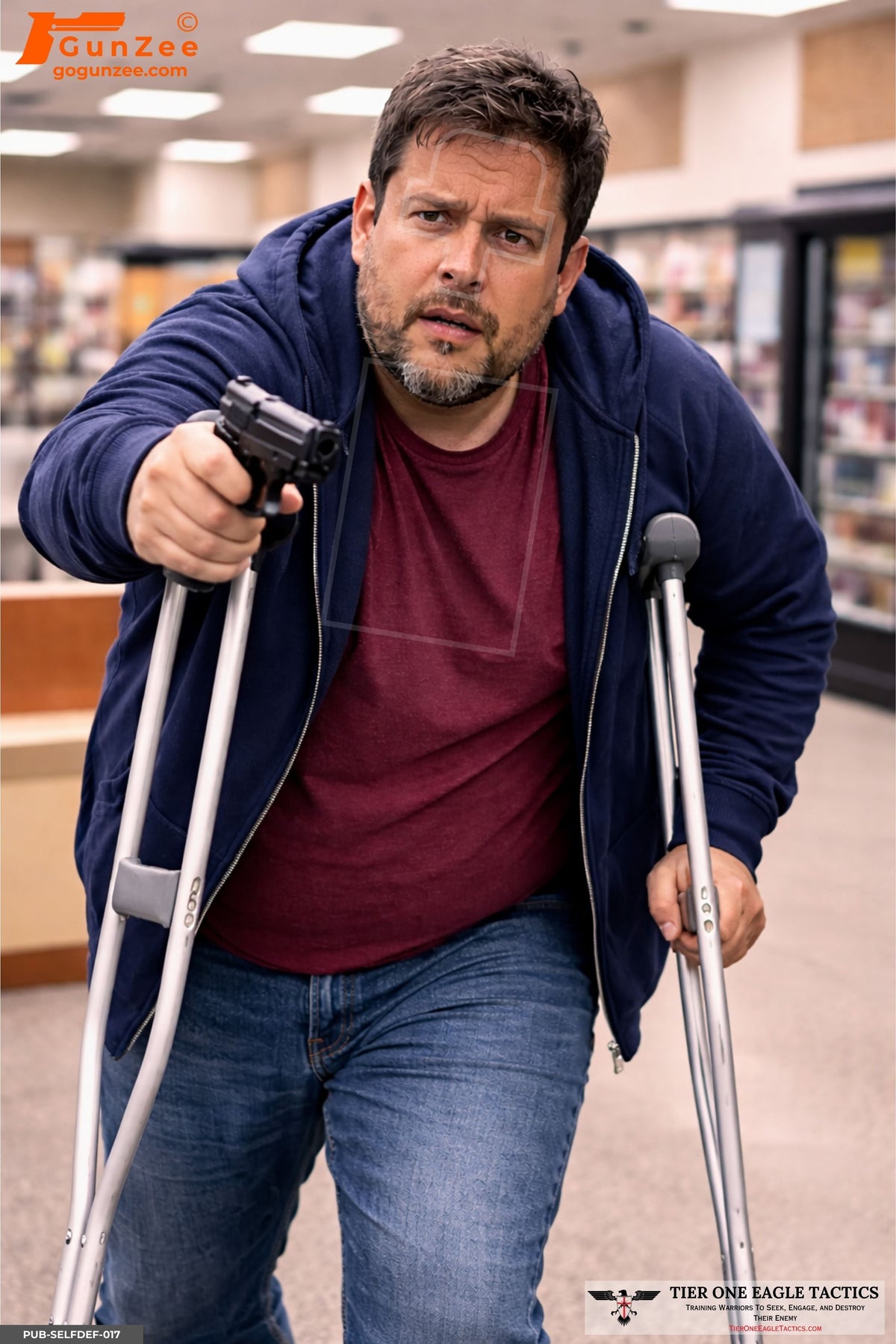
The seated woman above is a good test. Her face reads irritated and wary, not violent, and the leg cast pulls the eye away. The handgun is in plain sight in her right hand. A shooter who checks the hands first finds it; one who starts with the face or the cast can miss it. Our armed vs. unarmed article goes deep on the hand cues.
Four faces worth having in the library
1. The face locked on you
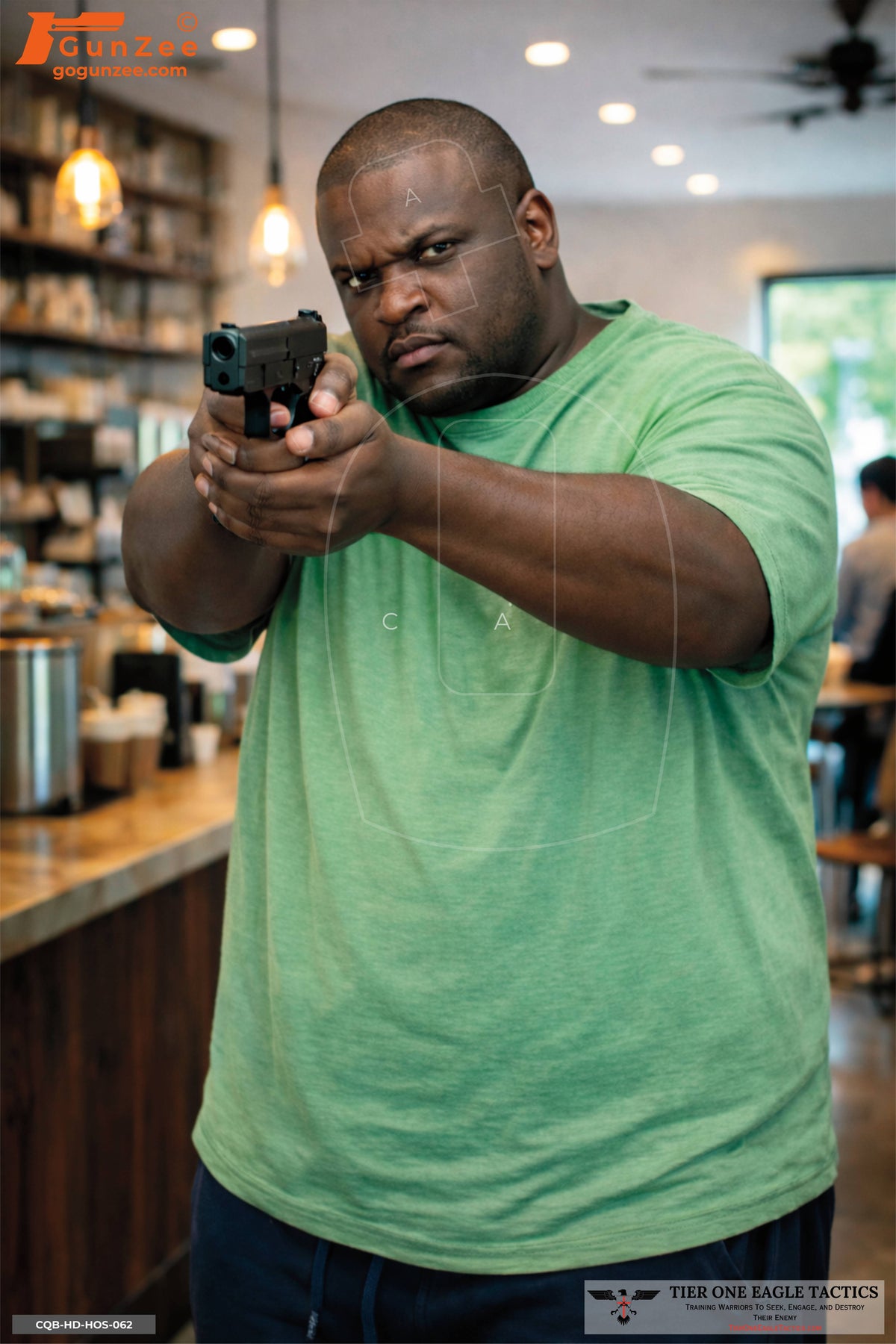
The coffee shop target at the top of this page. Muzzle, eyes and body all point at the shooter. This is the easy read, the baseline for the harder scenes.
2. The face looking somewhere else

The man against the church wall holds a handgun low along his leg. The hands say he is armed; the face says his attention is on the people in the pews, not on the shooter. The shooter has to work out what that means in a room full of people, and whether there is time and a safe line before acting.
3. Two faces, two stories

In the parking garage scene the handgun shows who is in control, and the faces confirm it: hers is pure fear, his is calm and set. The small amount of his head clear of hers raises the precision bar. Our hostage scenarios guide explains how to run these.
4. The face that does not match the hands
The seated woman above is one version. The reverse: an angry or startled face with a phone, an inhaler or a badge in the hand. Night scenes with a plainclothes officer, like the Low-Light Badge Presentation, make the shooter find the badge before deciding. Our unarmed scenes guide lists the rest.


Scoring boxes over the face, or none at all
Many of our designs carry faint scoring zones, including a head box over the face, for instructors who grade shot placement. The kill zones guide explains what those boxes mark. For a point of aim with no printed help, use the No Kill Zone line: no scoring boxes on the face or chest, and all matte. Many programs stock both, boxes for grading and clean faces for decisions.
A buyer's checklist
- Hands: some holding a weapon, some an ordinary object, some empty, so the first look always has work to do.
- Gaze: some faces on the shooter, some on someone else, some partly turned away.
- Expression: anger, fear, calm, pain and confusion, on both shoot and no-shoot scenes, so expression never gives the answer away.
- People: a mix of ages, sexes and builds across threats, bystanders and hostages, so no single look becomes "the bad guy".
- Partial faces: a few heads half hidden by a hostage, a doorframe or concealment, for precision under pressure.
- Light: at least a couple of low-light scenes, where the face is harder to read and the hands matter even more.
Every design is sold in sets of 5, so a mixed library of 8 to 12 designs gives you enough sheets to rotate without repeats. Browse the full range in our paper shooting targets collection or start with a training pack.
How to run a hands-then-face drill
Hang three to five mixed sheets. The shooter faces away and turns on a signal. Before any draw, they say out loud two things, in this order: what is in the hands, and where the person is looking. Then they decide. It slows the first few reps, and that is fine; it builds the habit of hands first, face second. The general turn-and-read protocol is in our scenario article, and the shoot to no-shoot ratios are in our judgment drills guide.
Frequently asked questions
Why train on targets with real faces instead of silhouettes?
A silhouette gives the shooter no hands to check and no face to read. A photo-realistic sheet makes the shooter check the hands, then read who the person is and where their attention is.
Should a shooter look at the hands or the face first?
The hands. Police training puts the hands first because they hold what can hurt. The face comes after, for attention, state and the person's role in the scene. No expression justifies a shot.
Do your targets have scoring zones over the face?
Many designs carry faint scoring zones, including a head box. Our No Kill Zone line has no scoring boxes on the face or chest.
How many different faces should a library have?
Enough that shooters cannot memorize them. Eight to twelve designs, mixed by hands, gaze, expression, age and light, is a practical start, and each design is sold in sets of 5.
Related reading
- Silhouette Shooting Targets: From B-27 to Life-Size Scenario Realism
- Armed vs. Unarmed: Training to Identify the Subject Before the Shot
- Phone, Inhaler, Badge, Raised Hands: The Unarmed Scenes Every Training Library Needs
- Knife, Pistol, Rifle, Two Attackers: The Armed Scenes Every Training Library Needs
Ready to run this drill? Shop these targets
Photo-realistic 24″ × 36″ designs · sold in 5s per design · mix any designs · $45 order minimum
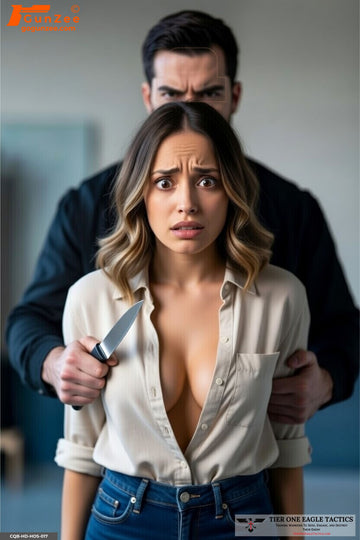
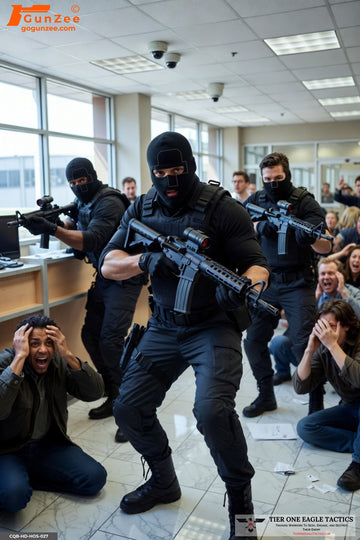
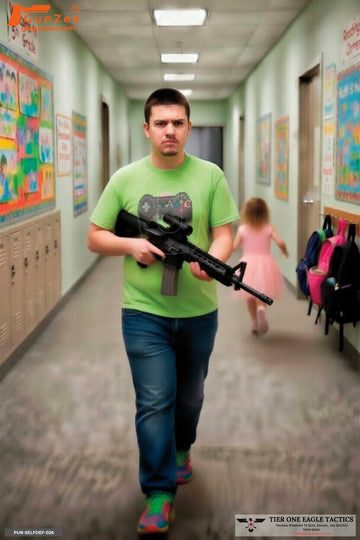
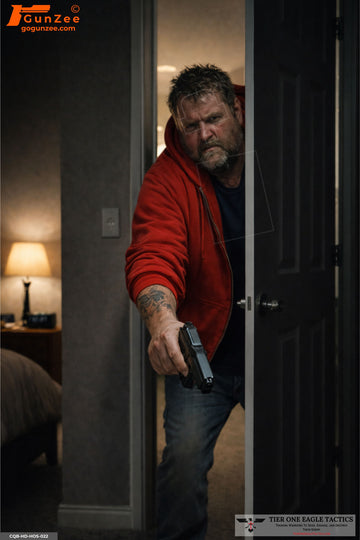
See all designs → · Agencies: Request a Quote