
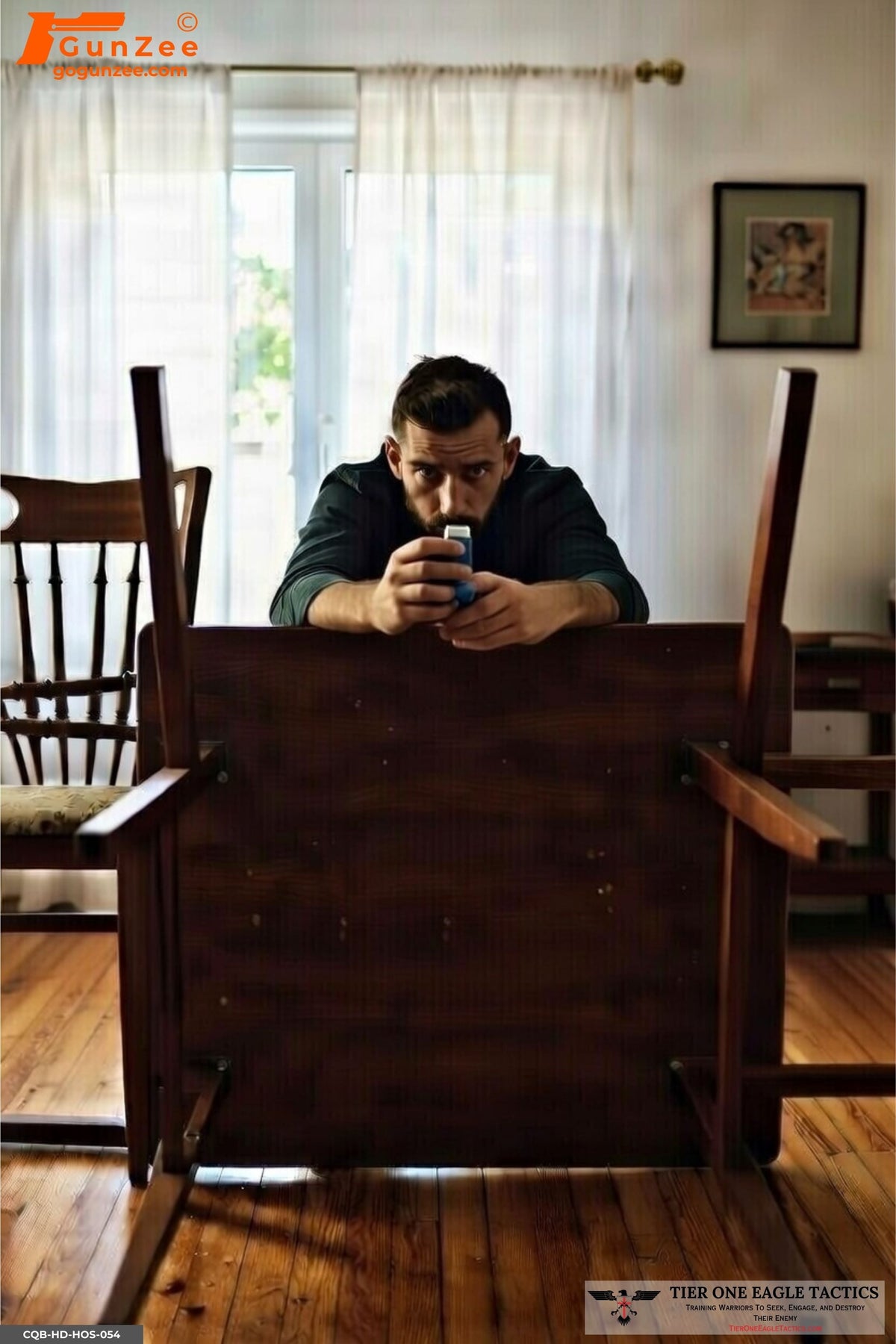
Phone, Inhaler, Badge, Raised Hands: The Unarmed Scenes Every Training Library Needs
A buyer's checklist for the unarmed side of a training target library: the five kinds of unarmed scene (mistaken object, threatening posture, surrender, armed non-threat, bystander), what each trai...
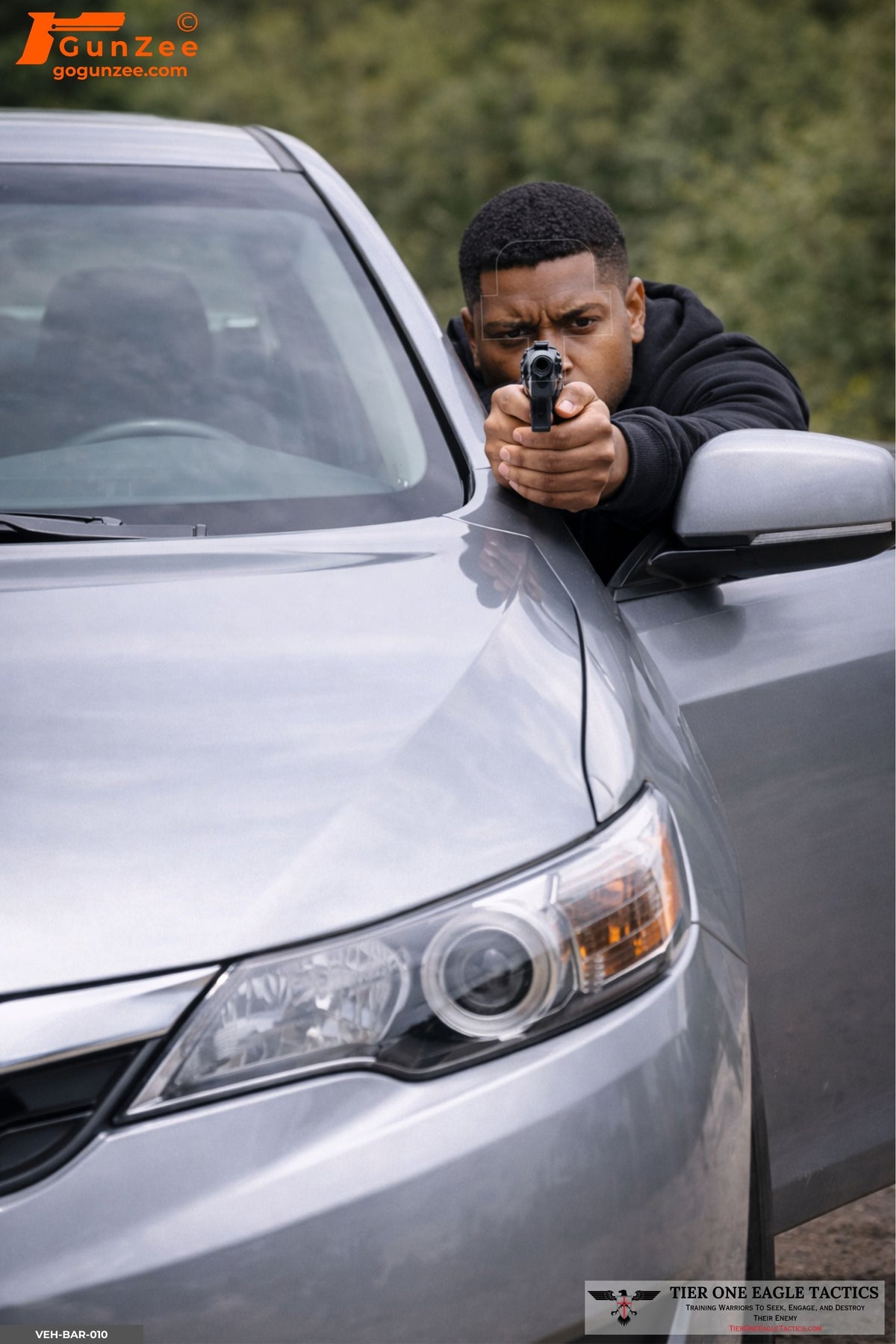
How to Plan Targets for a Police Academy Firearms Block, Phase by Phase
A phase-by-phase how-to for academy firearms coordinators: which targets each part of the recruit firearms block needs (fundamentals, qualification prep, low light, shoot/no-shoot, scenario blocks)...
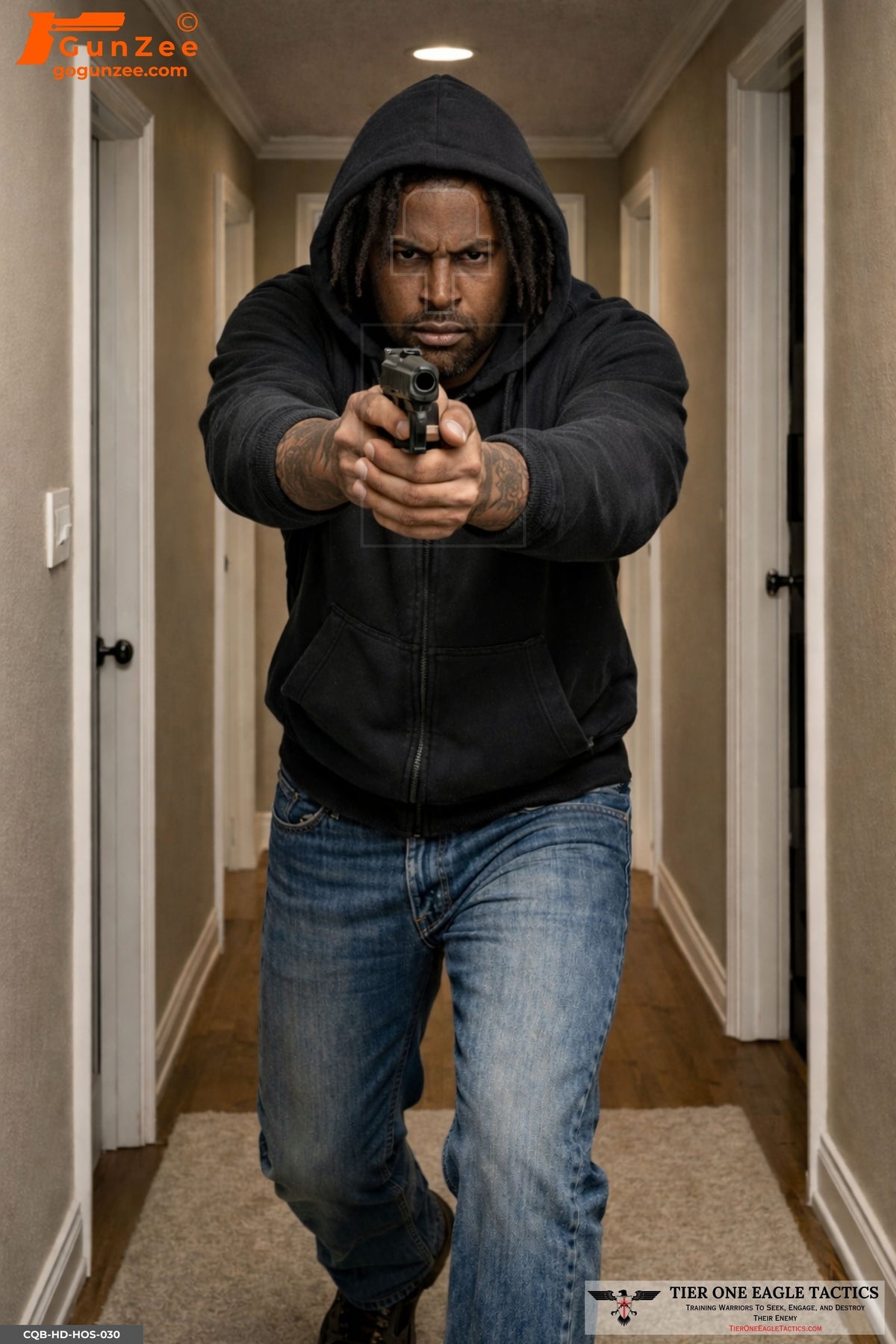
Mantis Laser Academy Targets: Using MantisX, TitanX and Blackbeard With Life-Size Paper Targets
Mantis makes several dry-fire systems and they do not all treat a target the same way. This guide covers every current model (MantisX X2, X3 and X10 Elite, the Laser Academy kits, Pink Rhino laser ...

Shooting Target Dimensions Chart: B-27, FBI Q, IDPA, USPSA, B-8 and Scenario Sheet Sizes
Sheet sizes and scoring geometry of the B-27, B-21, FBI Q, TQ series, Texas DPS, USALE, IDPA, USPSA, B-8 and life-size scenario targets, in one printable chart.
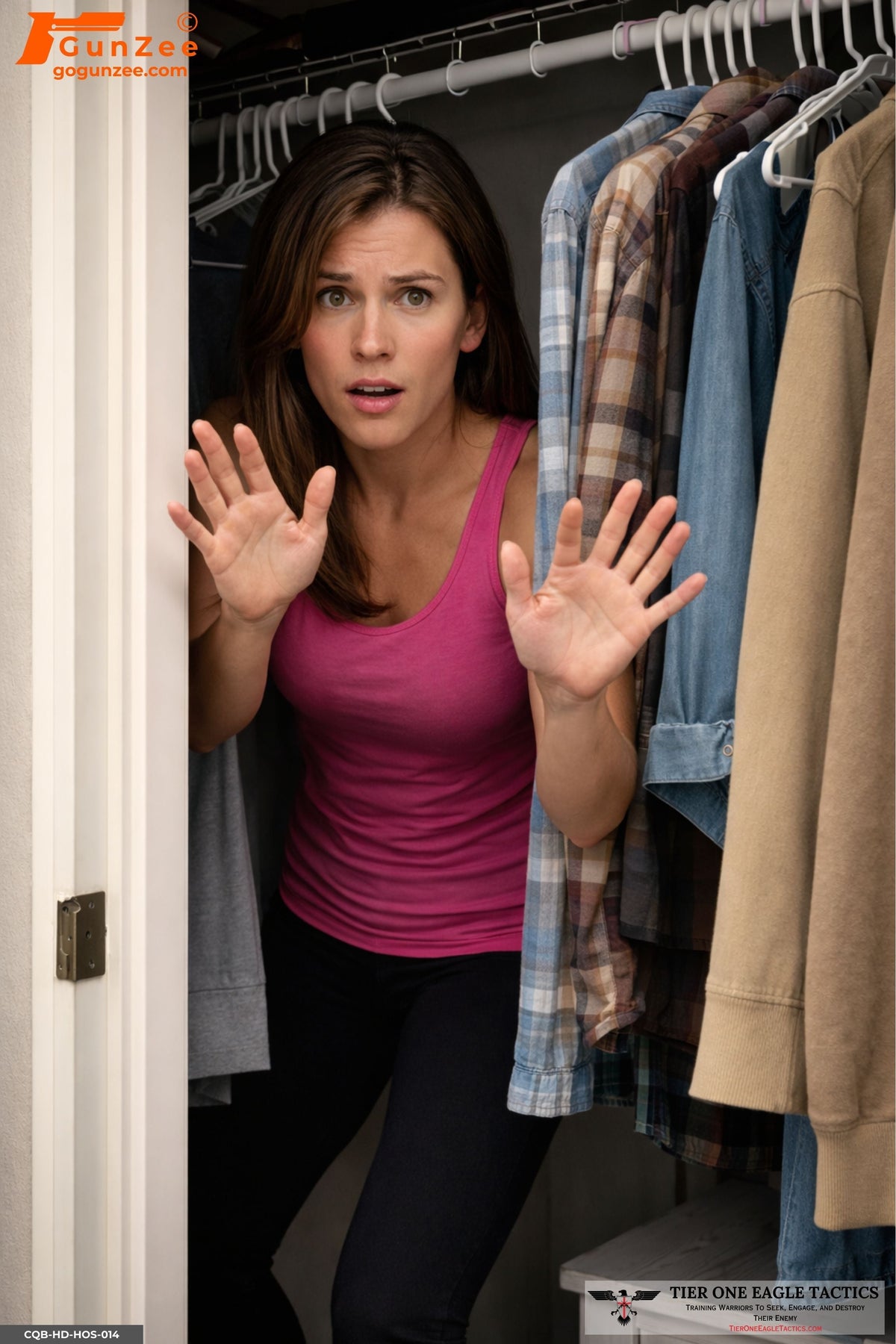
Police Qualification Targets: Courses of Fire, Target Types, and Scoring
A police qualification target is a measuring instrument named by the standard, not a training choice. This guide puts the common qualification sheets side by side (B-27, B-21E, FBI QIT-99, the TQ s...
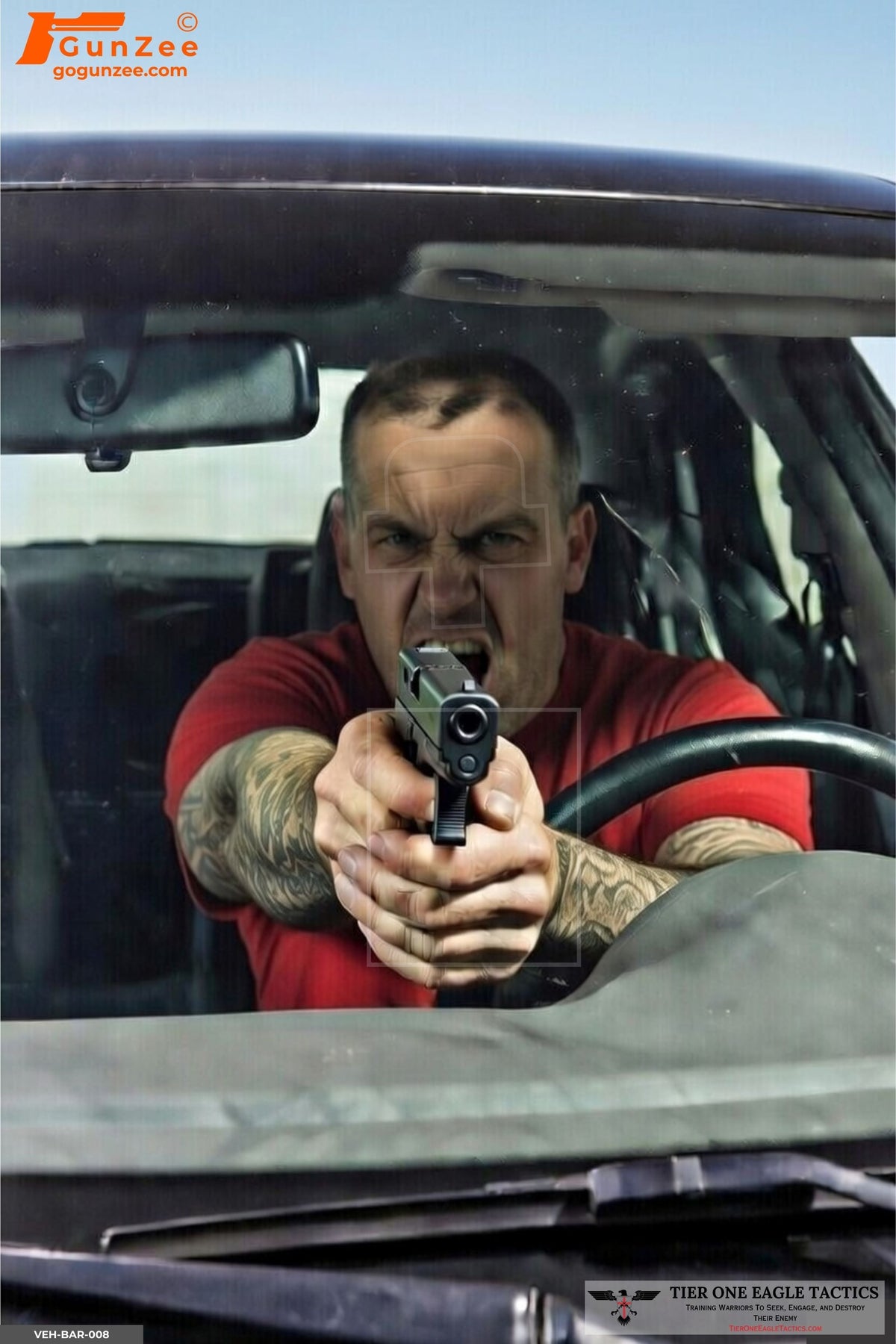
Vehicle Barrier Shooting Targets: The Armed Driver, the Windshield, and the Open Door
A vehicle barrier shooting target puts the threat in, behind, or coming out of a car, with the glass, door, or frame in the way of the shot. This guide covers what a vehicle does to a shot, the sev...

What Makes a Target a Scenario, and How to Run One
A scenario shooting target is a person, a place, and a decision on life-size paper. This guide defines the category, lists the four things every scenario target has to show, sorts the five scenario...
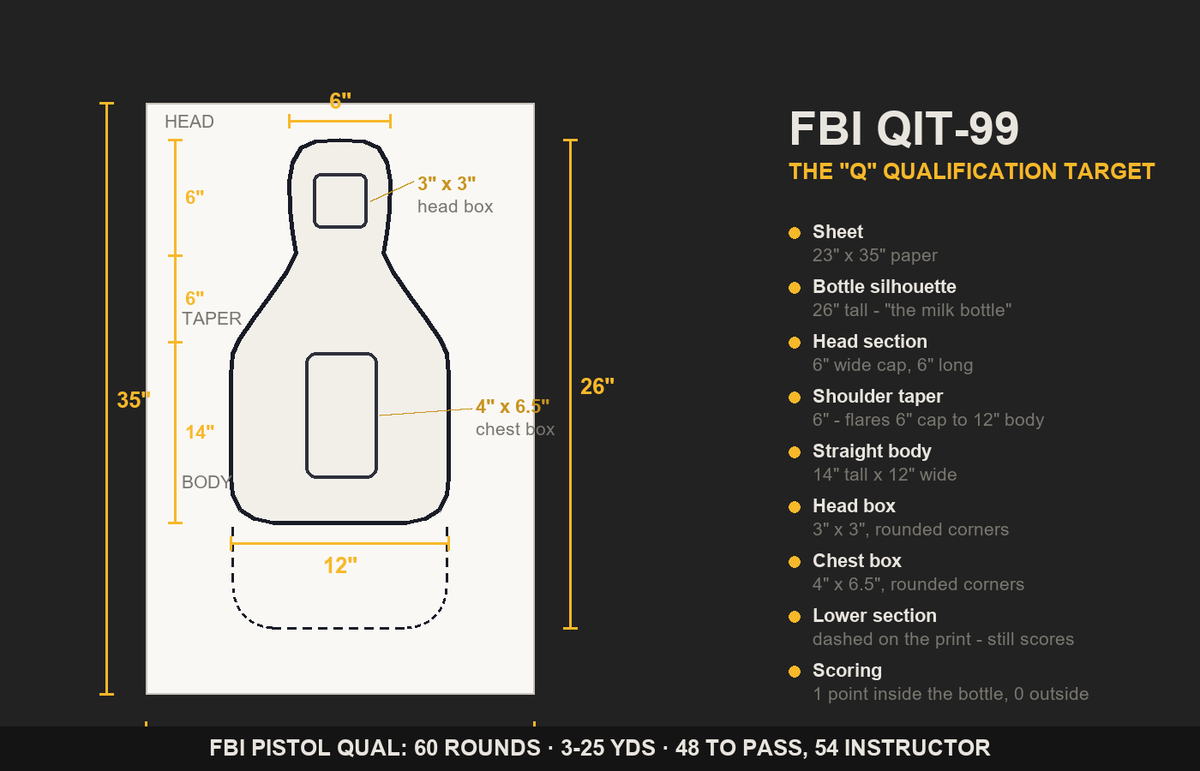
FBI Q Target (QIT-99): Dimensions, Scoring & the Qualification Course
The complete FBI Q target reference: exact QIT-99 sheet and bottle-silhouette dimensions, the one-point-or-nothing scoring, the full current 60-round qualification course of fire with every stage a...
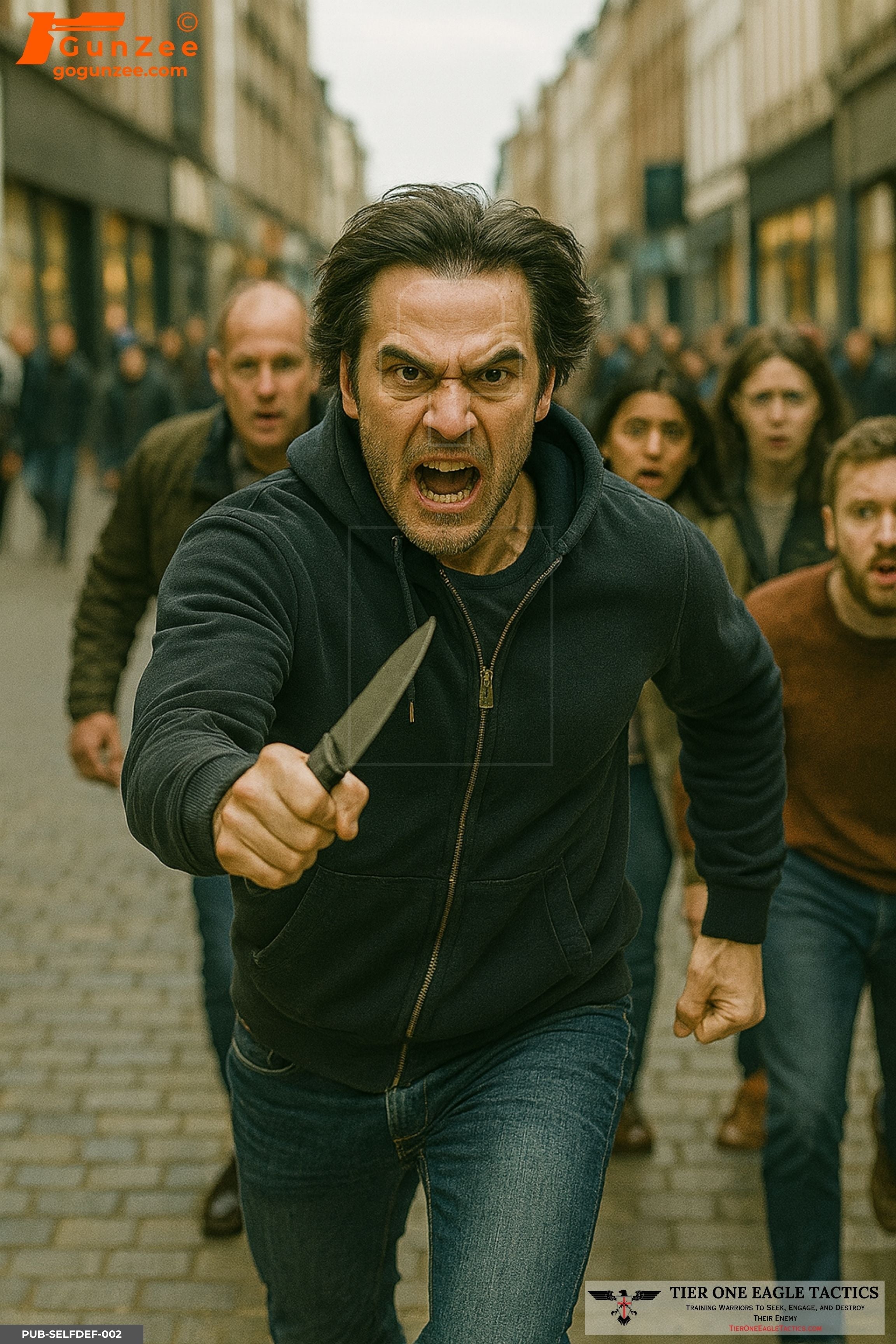
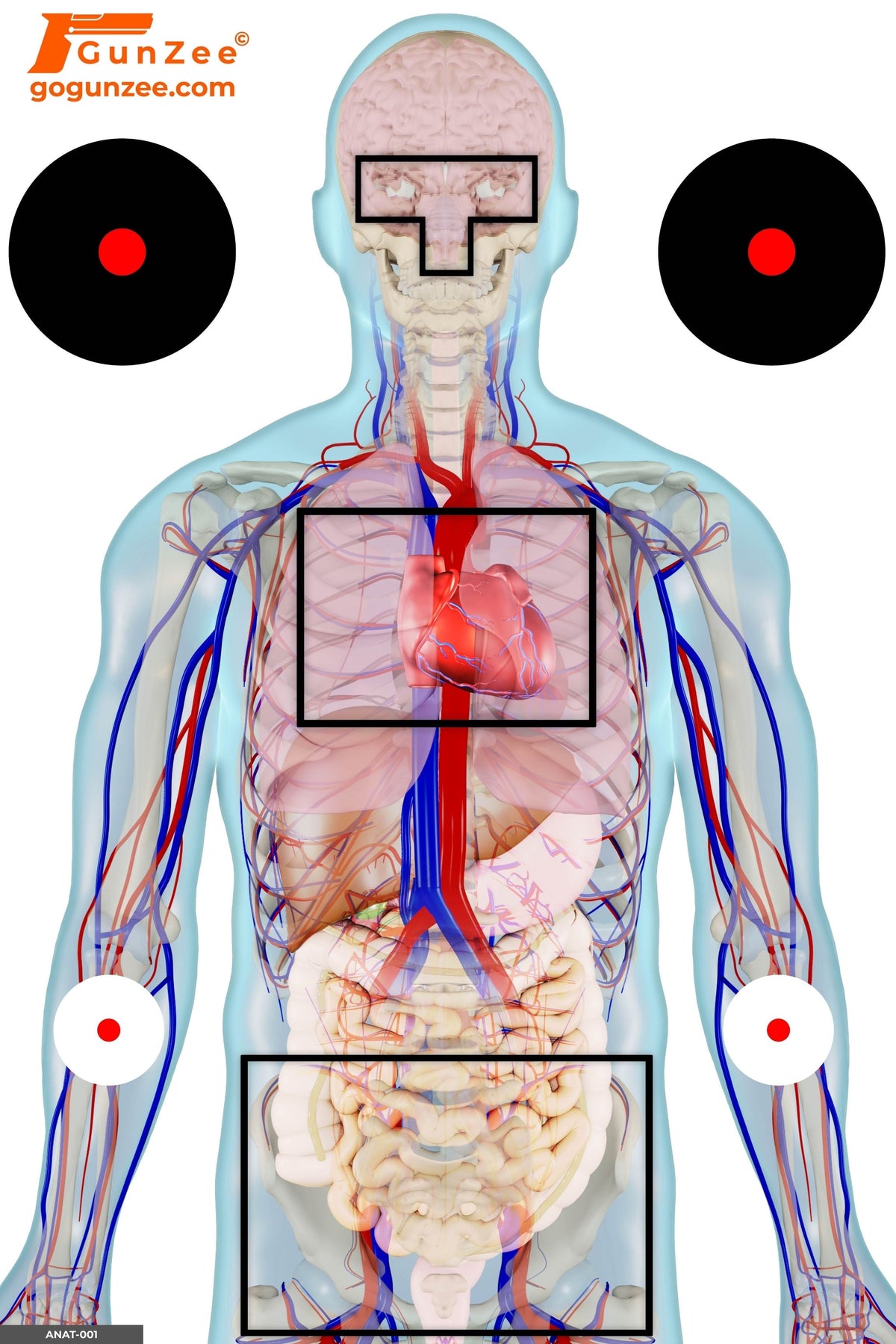
T-Box, Cardiac Box, A/C Zones: Shooting Target Kill Zones Explained
Every scored zone on a training target came from somewhere — trauma surgery, Col. Martin Fackler's Army wound-ballistics laboratory, the FBI's 1989 wounding-factors report, or the competition circu...
B-27 Target: Dimensions, Scoring Rings, and Qualification Standards
The complete B-27 reference: exact sheet and scoring-ring dimensions, how the X–10–9–8–7 rings actually score (with the Texas LTC worked example), the qualification standards built on it, and where...
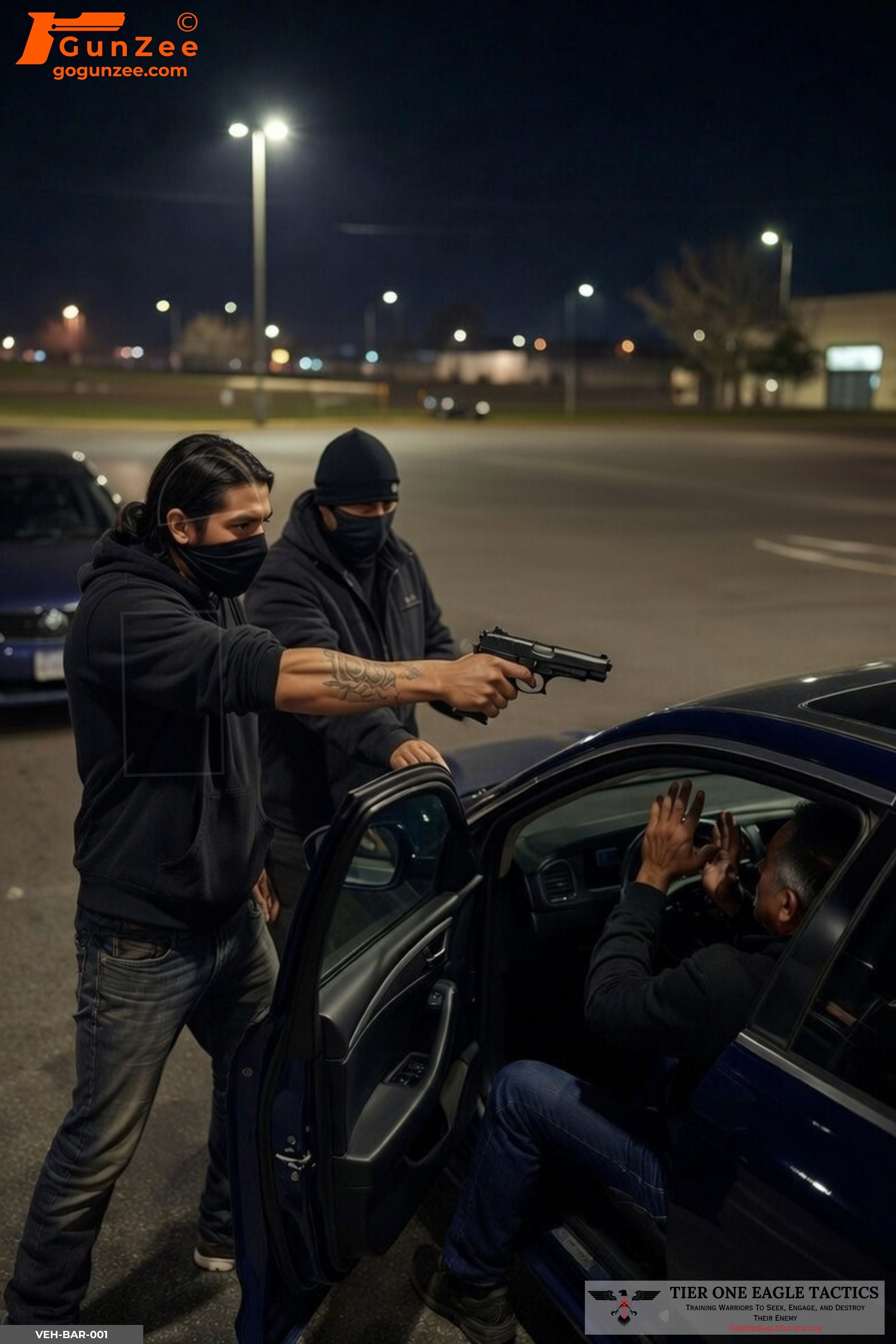
Carjacking Shooting Target — Buyer's Guide
A carjacking shooting target trains the engagement geometry the square range never replicates — seated, belted, looking through glass, with the attacker already inside conversational distance. This...
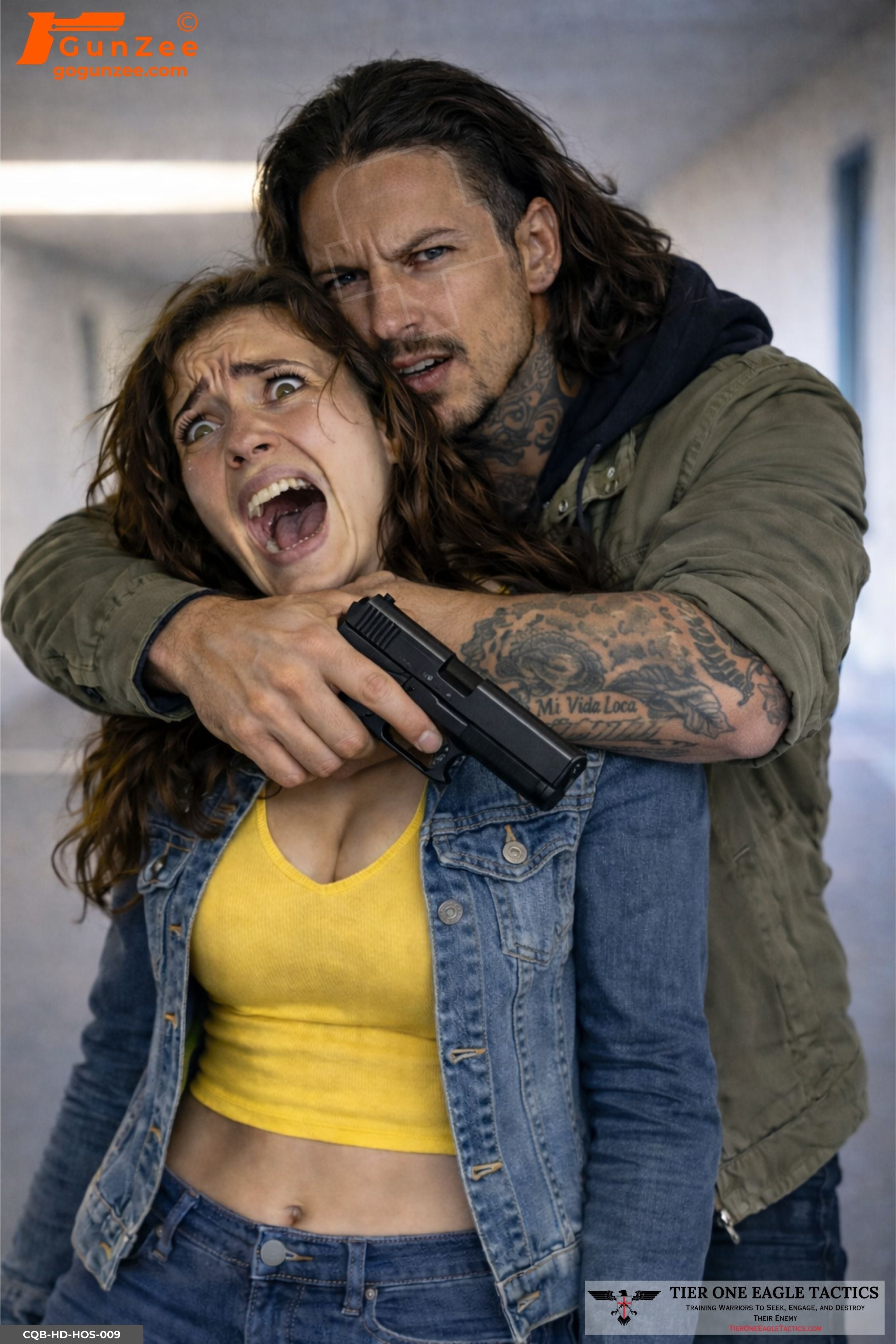
Choosing and Running Hostage Scenarios: A Trainer's Buyer's Guide
A working buyer's guide to hostage shooting targets — what a hostage target actually trains, what to look for in a serious one, and the specific GunZee SKUs that cover each engagement geometry. Bui...
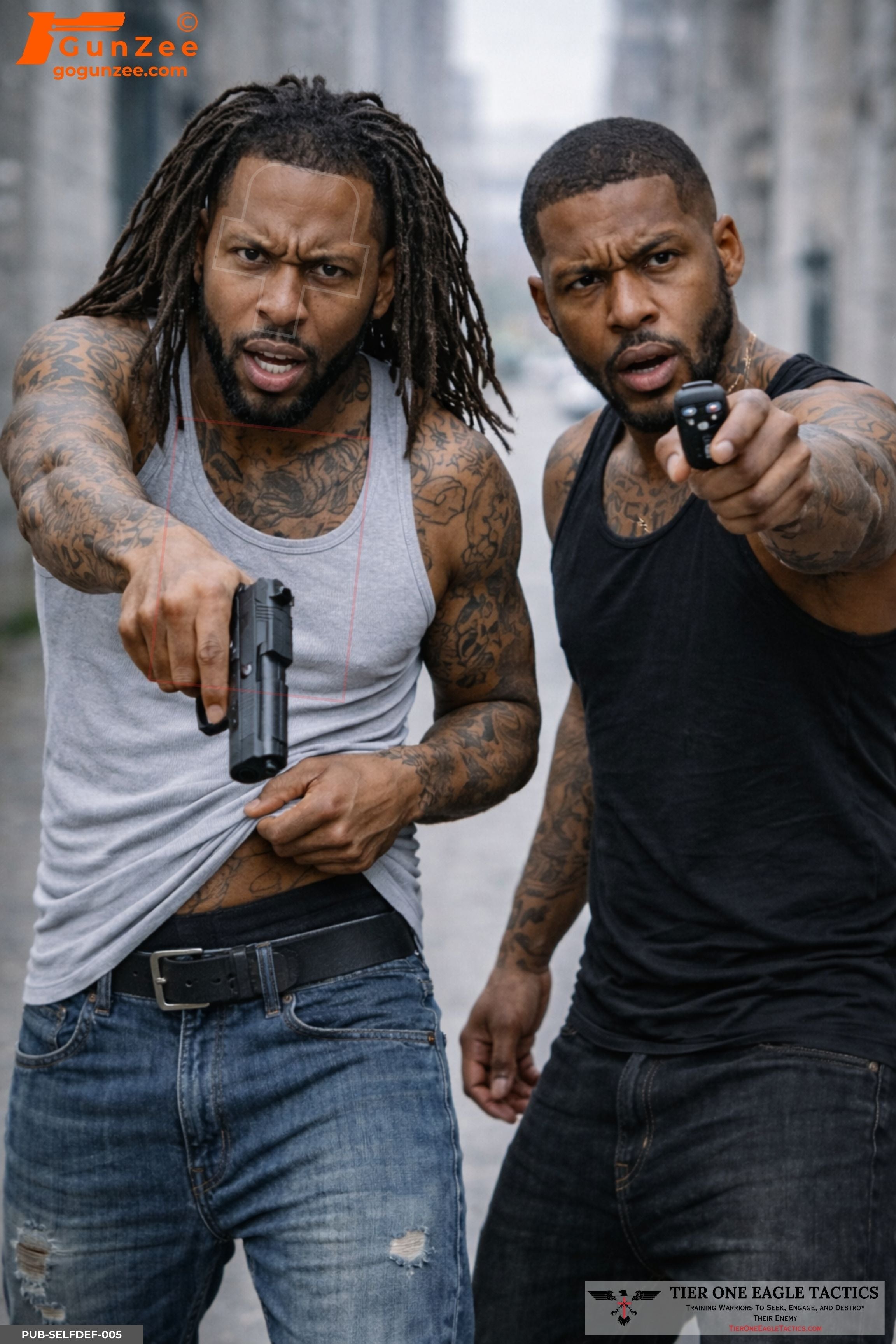
Armed vs. Unarmed: Training to Identify the Subject Before the Shot
The decision before the shot is the one most defensive shooters never train. Identifying an armed subject under stress, in low light, in a crowd, with the threat partially obscured — that read happ...
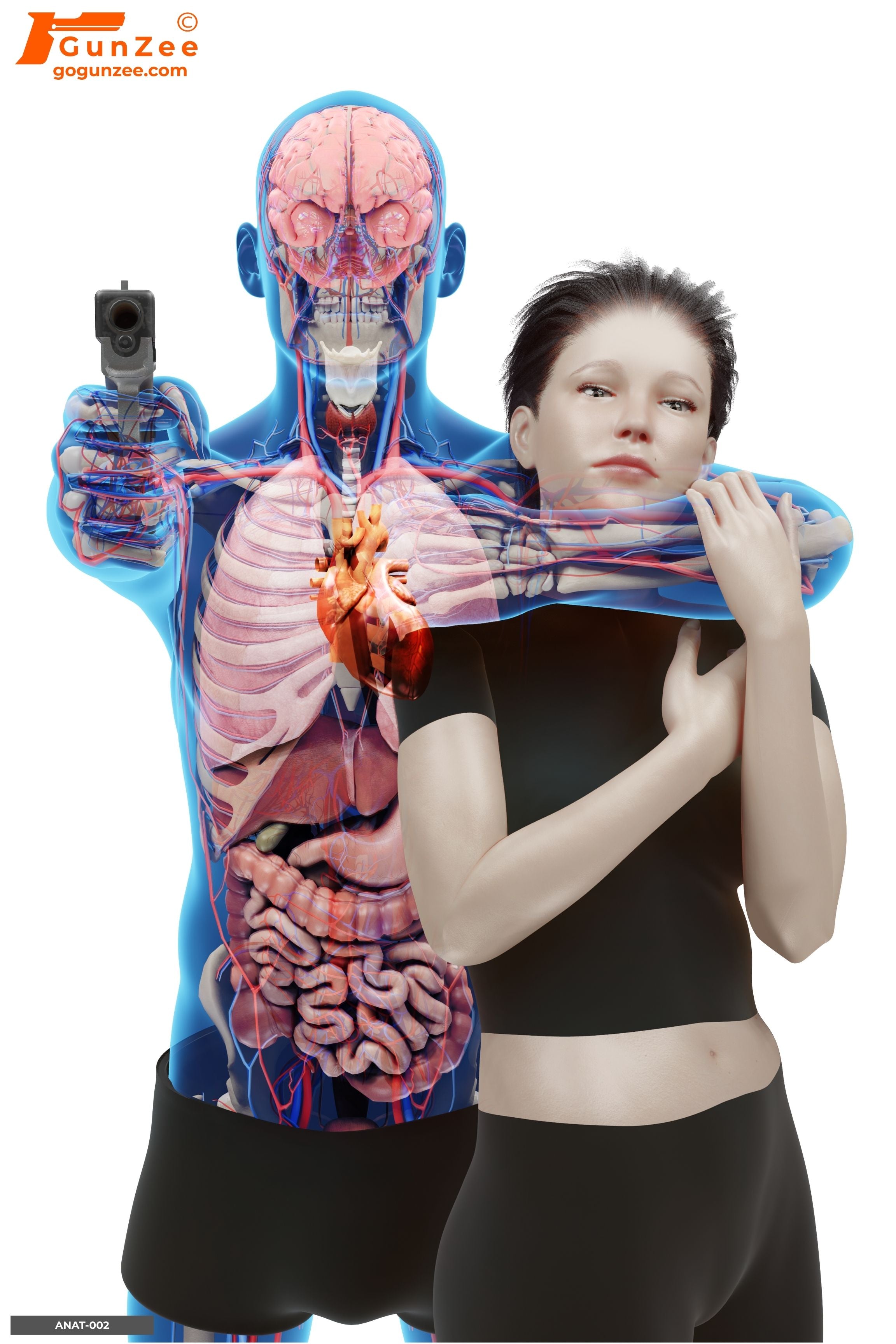
Female and Hostage-Shield Targets: Why Gender-Specific Scenarios Matter
A male threat holding a female hostage is the most common hostage geometry in real-world domestic, public, and home-invasion encounters — and the geometry most defensive training ignores. Female-ho...
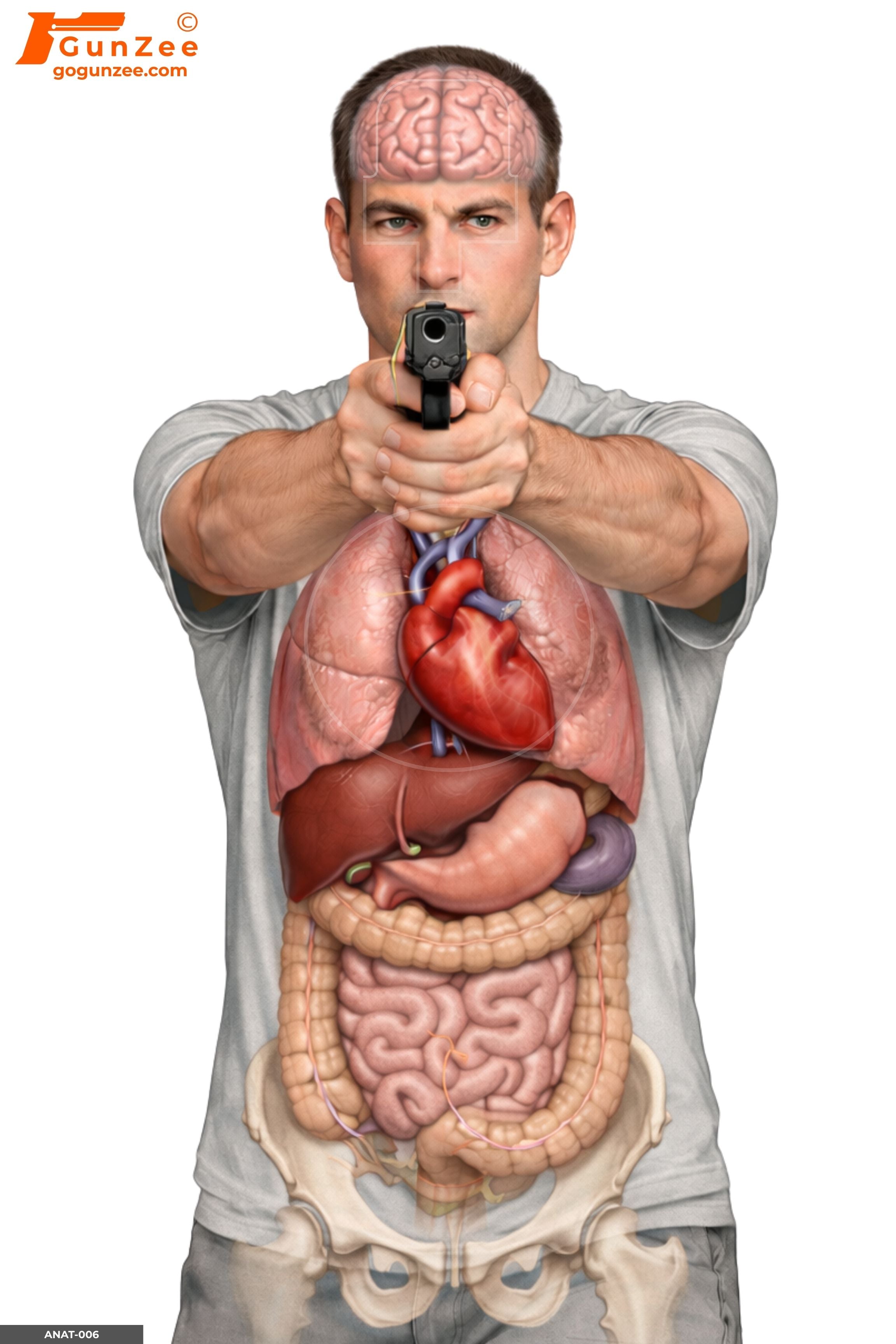
Cardiac Box vs. T-Box: When to Shift Your Aim Mid-Engagement
The cardiac box is the default defensive shot. The cranial T-box is the answer when the cardiac box is denied. The shift between them is a real-time decision built from training reps — not a textbo...